

Language and currency settings
Change your language and currency settings by selecting your preferences below
Select currency
Select language
Russia's New Lab Grown Diamond Law: What It Really Means
On September 1, 2026, Russia introduced new rules for how lab grown diamonds can be described in marketing and jewelry sales. Headlines might suggest this changes what a lab grown diamond actually is. It doesn’t. A lab grown diamond is still a real diamond. Here’s what the new law says, according to Rapaport’s reporting on the regulations, and why it doesn’t shake anything we at Nangi have believed since 2019. Not the brilliance, not the meaning, and certainly not the love it stands for.
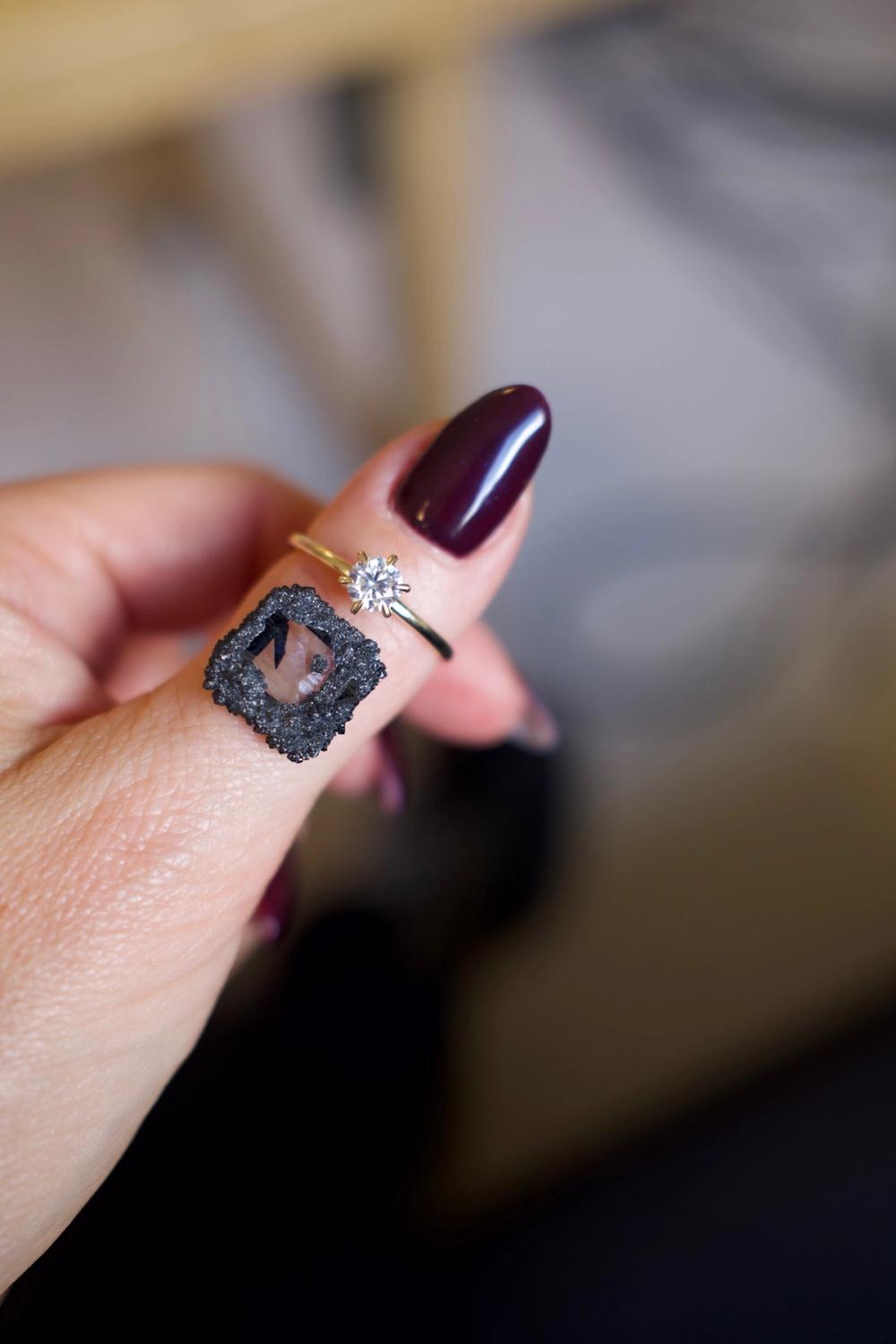
Above: A diamond seed produced at the University of Bergen
We made our choice in 2019
In 2019, we became the first in Norway to offer lab grown diamond engagement rings and jewelry as well as pieces with natural sapphires, all made by hand in solid gold or platinum. We were the first in Norway to move away from mined diamonds entirely. Not because it was easy, but because we believe true luxury should never come at the expense of the world around us.
Read more about why we choose natural sapphires here
That’s why Russia’s new law caught our attention. At its core, it raises a question we’ve asked ourselves ever since we decided to choose lab grown over mined diamonds. What is the real difference between a mined diamond and a lab grown diamond? And who benefits from how that difference gets told?
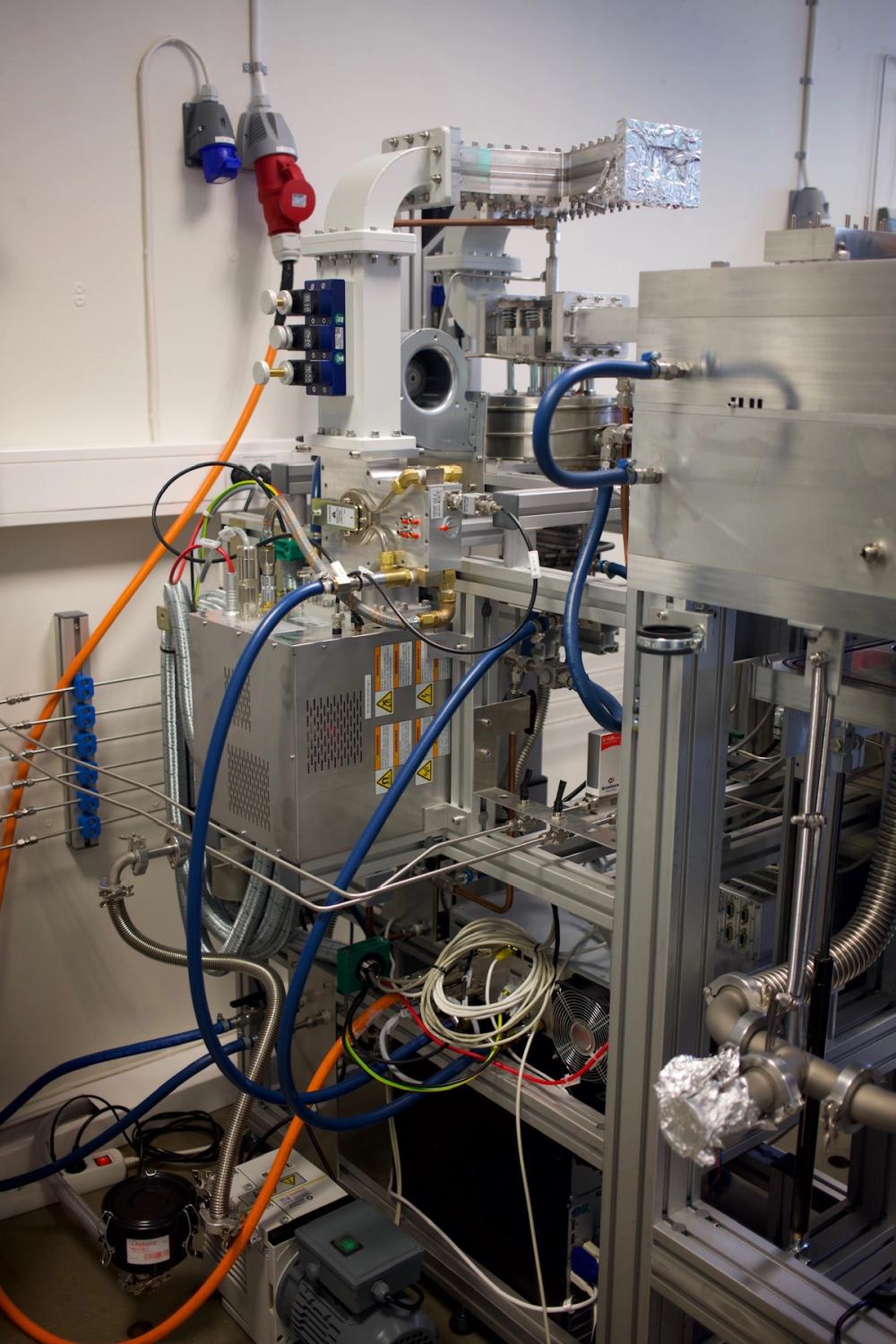
Above: The machine where diamonds are grown at the University of Bergen
What the new law says
In Russia, the word “diamond” may now only be used for mined diamonds. Lab grown diamonds must be labeled “synthetic,” and their weight must be stated in grams instead of carats. The law also bans the words “precious,” “real,” “genuine,” “natural,” “mineral,” and “eco-friendly” when describing lab grown diamonds, according to Rapaport. In short, Russia is making origin a legal part of the product name itself.
Why is Russia changing its diamond laws?
Officially, the goal is consumer protection. The law is meant to distinguish more clearly between lab grown and mined diamonds, and to keep buyers from being misled, according to Rapaport. It’s a principle we stand behind too.
But there’s a bigger story. Russia is one of the world’s largest producers of mined diamonds, accounting for roughly a third of global production in 2025, according to Kimberley Process figures reported by Rapaport. The industry is dominated by the state-owned company ALROSA, which accounts for roughly 90% of the country’s diamond production, according to the Council of the EU. Diamond revenue has long been part of the Russian state budget (Yakovleva and Alabaster, 2003).
Since January 1, 2024, the EU has banned imports of Russian diamonds. The ban has the stated aim of depriving Russia of this revenue, according to the Council of the EU. But the ban has gaps. It does not cover diamonds under 0.5 carat that are cut in third countries such as India, or jewelry made outside the EU, so Russian diamonds can still reach European consumers.
At the same time, demand for lab grown diamonds keeps growing, putting pressure on prices for mined diamonds. Seen this way, a new definition of “diamond” looks less like a neutral distinction and more like a response to a changing market.
Read more about why Nangi doesn't sell Russian diamonds.
Are lab grown and mined diamonds really different?
Both are pure carbon, with the same crystal structure, brilliance, and hardness. To the naked eye, they are impossible to tell apart. Reliable identification requires specialized testing and advanced gemological equipment. The difference lies only in how the diamond came to be, not in one being “less real” than the other.
A lab grown diamond is not an imitation. It is a real diamond, created in a laboratory rather than extracted from a mine.
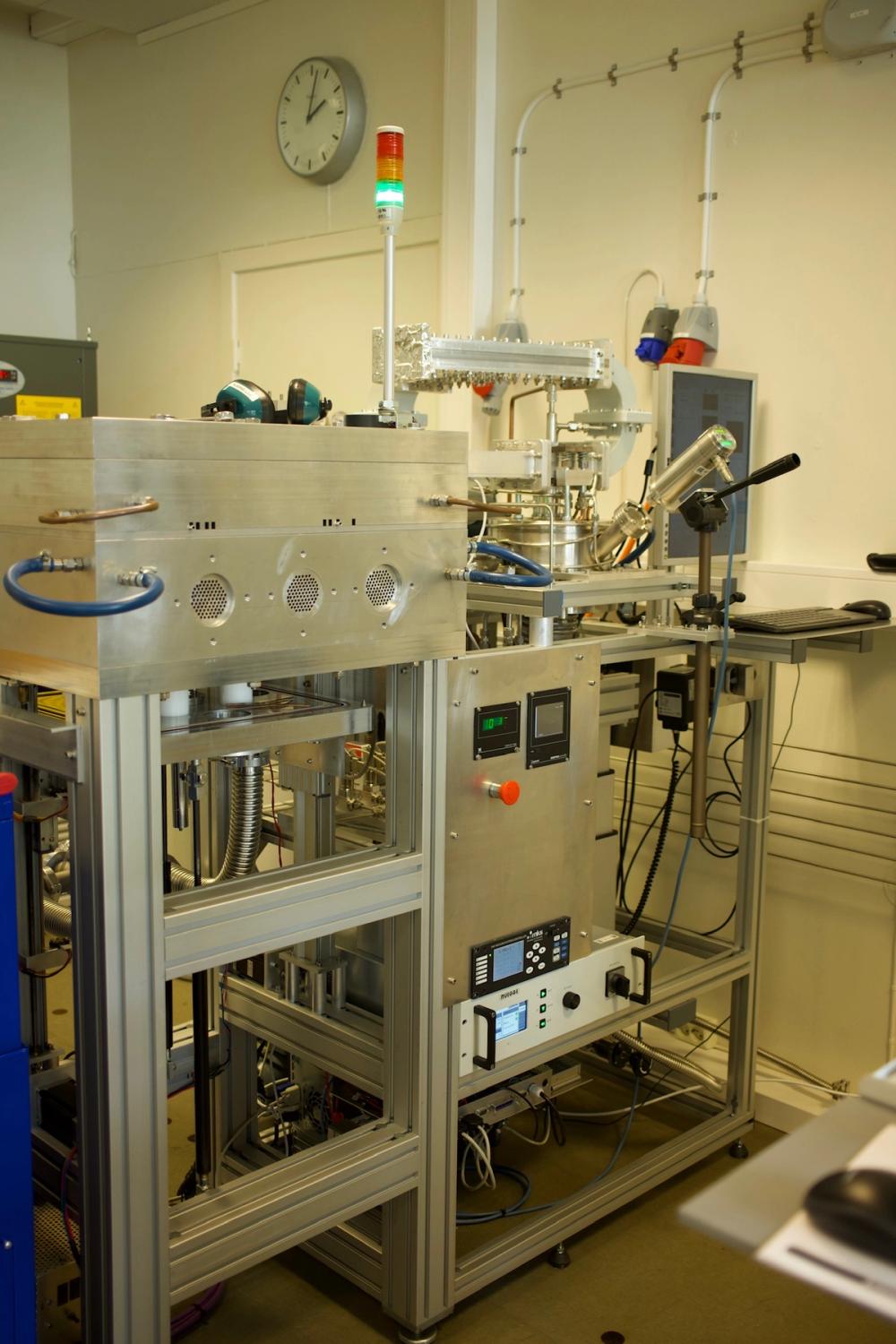
Above: A diamond seed growing inside a laboratory chamber
Read more about our visit to the University of Bergen, where they produce lab grown diamonds
Can you be sure where a mined diamond comes from?
Not always. A diamond carries no natural fingerprint tying it to a specific mine. In this way it differs from colored gemstones, which get their unique signature from trace elements. The sapphires and colored gemstones we use at Nangi are natural, while all our diamonds are lab grown.
After extraction, nearly all mined diamonds travel to a handful of global hubs, primarily in India, for cutting. There, diamonds from different origins are mixed together before certification. Industry researchers have described it as “almost impossible for the end consumer to know the true origin of a diamond” (Shor and Weldon, 2016). The same cutting centers are also where lab grown diamonds are sometimes mixed in with mined diamonds without being disclosed. In one case, GIA’s lab in Mumbai found 101 undisclosed lab grown diamonds in a single parcel of 323 small diamonds.
For us, it’s about giving you the full picture, so you can make your choice with open eyes.
Lab grown diamonds and sustainability
We’re not saying lab grown diamonds are sustainable in and of themselves. Production still uses energy, and the footprint varies with energy source and production method. But compared to mined diamonds, the difference is significant. A mined diamond can require up to 9,000 liters of water per carat, compared to under 100 liters for a lab grown diamond (Earthworks, 2019; George, 2024). CO₂ emissions from a lab grown diamond can be up to 85% lower (Jiang et al., 2025).
Russia’s new law doesn’t change that.
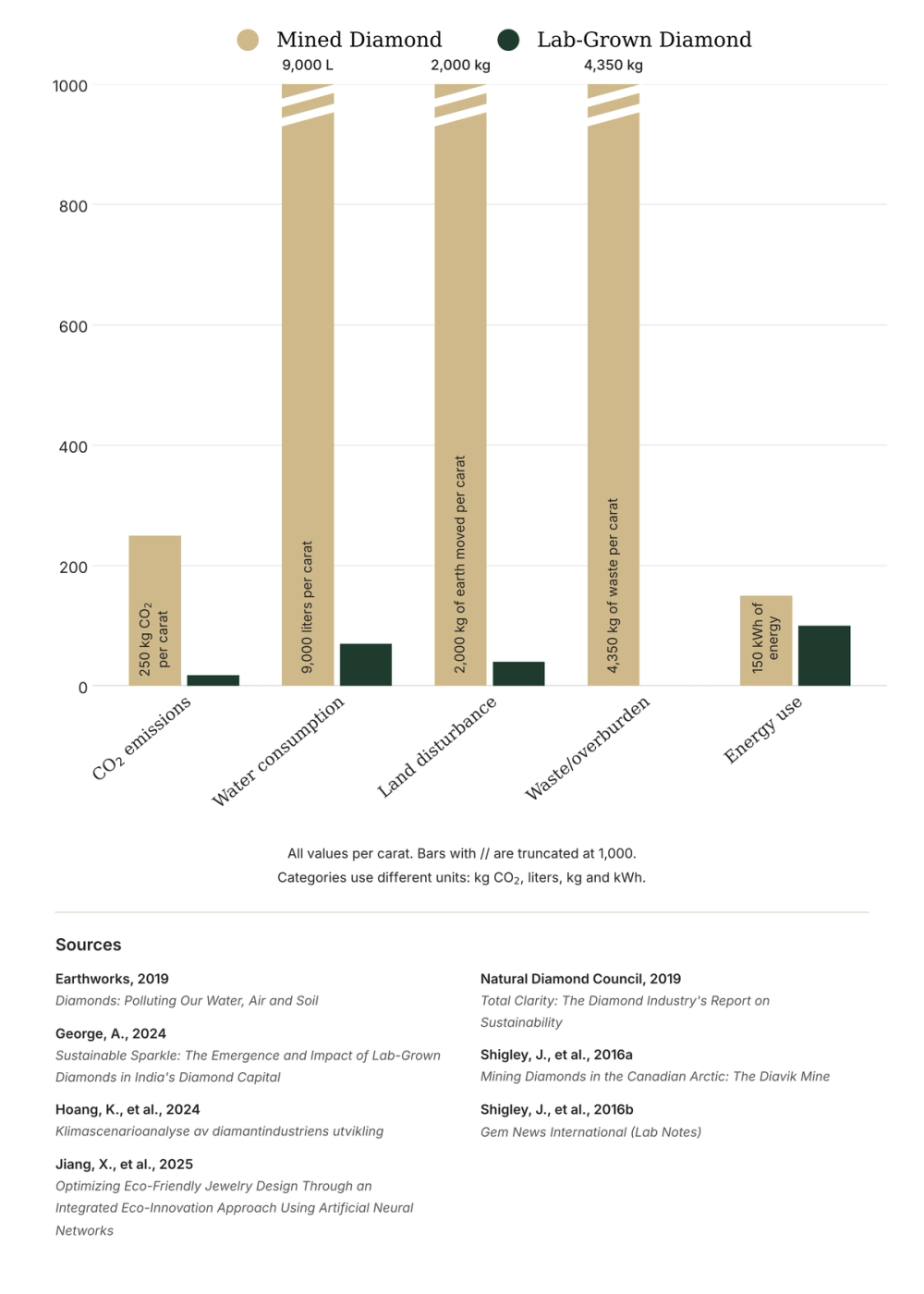
Above: Graph comparing the environmental footprint of lab grown and mined diamonds
Read more about myths and misconceptions about lab grown diamonds
Why Nangi chose lab grown diamonds
Whatever a diamond is called in Russia, when you choose an engagement ring from Nangi, you always know what you’re wearing. It’s a real lab grown diamond, with the same brilliance and durability as a mined diamond, but without the major environmental and ethical consequences mining can bring. The only difference is where it was given the chance to grow.
It takes courage to forge your own path. Every engagement ring tells a story. For us, that story begins with the choices we make for the planet, for the people behind every design, and for the generations who may wear it after us.
Explore all our lab grown diamond engagement rings here
Join the Nangi family!
Read similar posts


Join the Nangi family!
Subscribe to our newsletter to be the first to know when we release new one-of-a-kind pieces, and gain exclusive access to archive sales and events
Visit us
The Nangi House
Halvdan Svartes Gate 3 | Oslo, Norway
Thursday | 11:00-18:00
Monday - Saturday |
by appointment
Connect
Norsk side
Nangi Fine Jewelry © 2026